


Understanding Transformational Leadership
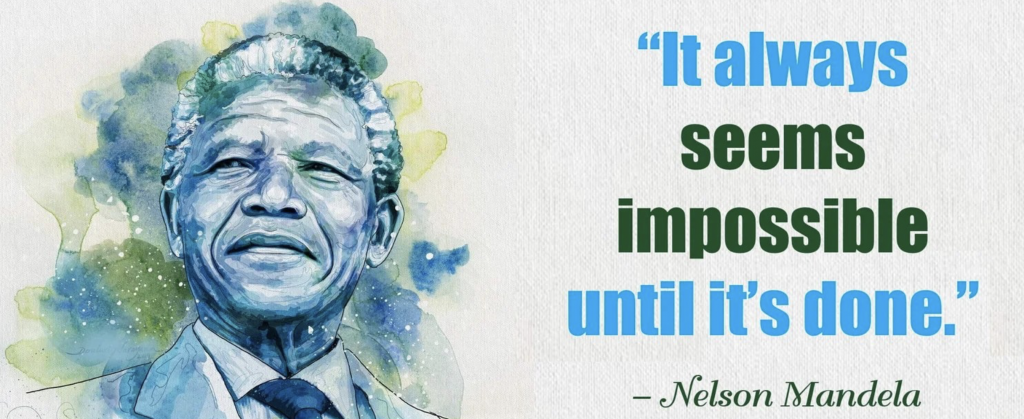
I hate buzzwords, because they ultimately have no meaning or mean different things to different people. Take “Transformational Leadership” for example. I dislike the term because in every industry and management culture there is always talk about the need to perform some kind of transformation, either to the business, culture, organization or all of the above. And buzzwords become a replacement for knowledge by so many people.
In fact, to me, transformation is leadership. Leadership is only leadership if you are creating something that wouldn’t exist without your influence therefore it is transformational by definition. Management is creating the expected outcome. That involves controls, governance, problem solving the typical roadblocks to achieve expected results. And most people in positions of responsibility are managers. Because most of what happens in business is the expected outcome. This doesn’t mean that management isn’t important, difficult or challenging in its own way. But it is less difficult than leadership, because transforming anything involves a level of risk and uncertainty, and an amount of courage to persevere, standing apart from the norm, a willingness to battle with resistance and a culture that may not always welcome what you are doing.
To define transformational leadership is to define what true leadership really looks like. Whether it’s as a start-up entrepreneur, a third-generation business owner trying to take their grandparents mom-and-pop shop to something bigger, or the CEO of an international enterprise, real leadership is transforming what you’ve got into something better, not resting on current successes and managing day-to-day business. Any MBA grad or experienced professional manager can do that.
One of the biggest mistakes leaders make on transformation is believing they can create a department for transformation, like it’s a side project, or outsource it like it’s an annoyance to be dealt with. True transformation is only possible by a real leader who is committed to creating something new within and from their organization.
Key Traits of Transformational Leaders
Because moving an organization, product or culture in a new direction is challenging it often requires the same traits regardless of the mission.
- Visionary thinking — they create and communicate a compelling future.
- Integrity and authenticity — they build trust through consistent values and behavior.
- Inspirational communication — they motivate people emotionally as well as logically.
- Courage and change orientation — they challenge the status quo and lead through uncertainty.
- Emotional intelligence — they read the room, understand people, and manage relationships well.
- Empowerment — they help others grow rather than simply directing them.
- Resilience and a resistance to complacency
Visionary Thinking
Steve Jobs talked at length about what made Apple what it was. He talked about a focus on creating value for the customer. Growing up in tech he saw that computing power was reserved at the time for academics and large corporations, but saw the potential of what it could do for the average person, and set on a mission to bring computers to the masses.
Later on, he created a mission to bring elegant design and functionality to electronics, something no one had thought of before. And then to connect that technology with an accessibility and ease-of-purchase other the growing online media infrastructure like music and video.
Apple was, and still is, a leading technology innovator. But even more than a tech company it’s a transformational company, that pushes boundaries and attempts to continue to improve on the experience of its customers. That starts by having a continuous focus on a vision that guides everything and everyone in the company to achieve that vision.
Integrity and Authenticity
No leader can generate disciples without being authentic in how they speak and act. Transformation requires everyone to face fears and worries, and they will only have the courage if they believe the message from their leader and that leader is walking the talk. As soon as you feel the “do as I say not as I do” vibe from anyone then they will jump like rats from a sinking ship.
Another great quote from Nelson Mandela is this:
Human beings are exceptionally intuitive, we can decipher very quickly when someone is being genuine and when they’re saying something they themselves don’t believe or know. The transformation that you are enrolling others in can’t be something that you don’t personally believe in your bones. They will smell it right away and disengage. When you speak about the future speak from your heart, your passion and your commitment to it. That’s what inspires others to act.
Inspirational Communication
I don’t think you need to be a stand-up comedian or politician, but having an ability to inspire people with words is essential. I do believe that 90% of this comes from the first two traits, having a vision and being authentic in your words. If your vision is bold, exciting and fun then you won’t have to do that much work in inspiring others to take action. But even if that’s the case here are a few tips to follow.
Ask open ended questions. Instead of telling people what to do, ask them first what would it be like if your vision was already a reality. Get them to imagine everything it unlocks. Sparking the creative juices of your people like this will go a long way to getting people on board.
Include emotional connection in your discussion. Of course it’s nice to talk about Revenue growth and EBIT projections, but that won’t stir people to action. Talk about things that will matter to people. Everyone wants to be part of something meaningful. Describe that meaning in emotional terms, like how your transformation brings people together, solves a problem in society, sparks adventure or learning, takes care of their security and the security of their children.
And above all that, be excited about your message. If you aren’t excited about what you’re embarking on then how in the hell are you going to get anyone else to be? Do it authentically of course, and with integrity, but it’s ok to be giddy about what you’re leading. It’s also a real litmus test for your vision. If you’re not excited about the message, then maybe the vision isn’t big enough?
Courage and Change orientation
Daymond John started the FUBU brand in his mom’s house. He had a vision, as defined in the name of the brand “For Us By Us” and was passionate about apparel that fit the hip hop culture that he was embedded in. The company was struggling for cash flow constantly to the point where his mother took a second mortgage on the house just to allow him to keep going. There were times he thought it wouldn’t survive. Anywhere along the way before that success, most people would have bailed out of that reality and got a stable job, but he persevered and a couple years later was a multi-millionaire. That’s the kind of courage that being a transformational leader requires.
There will be seemingly endless resistance, even when you have inspired the organization, given them a compelling vision in a believable and authentic way. Humans will always seek stability and comfort in times of crisis, and as soon as the first problem along the way is encountered people will want to get off the bus. That’s exactly when a transformational leader leans in and refuses to acknowledge that they will fail. By relentlessly sticking to their vision, and facing problems with courage and resilience, they can get their organization to weather the storms and stay on course.
Emotional Intelligence
It could be argued that some inspirational leaders had zero emotional intelligence, bulldozing their way through resistance and leaving dead bodies in their wake. I think that’s an exaggeration, usually perpetuated by the ones who have been on the wrong side of those decisions.
In reality transformational leaders have a high degree of empathy and emotional intelligence, and understand how hard it is for most people to embrace change like this. They exhibit a great deal of patience for the normal, human resistance, and list and empathize with their struggle. Instead of shooting it down, they debate and acknowledge the struggles that will come, and continue to discuss until they can win people over with their negotiation, persuasiveness and logic. The ones who are the ‘dead bodies’ in the end are those that unfortunately won’t be persuaded to join the movement. No matter how hard they try to, some leaders will not be able to get 100% of an organization to join the collective vision of transformation. In the end the healthiest thing for all is to remove them from the organization or the mission.
Empowerment
This is really about trust. I’ve seen it time and again in my career, how a leader who empowers their people to lead themselves is far more successful that one who funnels all the decision-making and oversight to themselves. And it’s all about trust. How much a leader trusts people to do what they are paid to do, and lets them do it in their own way, is a direct-correlation to how transformational that leader will be. Transformation is hard, challenging and complex. No one person can do it alone, so you need disciples. You need people who will carry the torch of the vision when you’re not looking. And that will only happen if those disciples feel absolutely trusted to act on their own.
Giving your people full trust in their ability is a true sign of an inspirational leader. It is one of the most difficult behaviours for modern leaders to adopt, because letting go of the full control of your vision is a scary proposition if you don’t believe that your people will execute that vision. It’s important then to remember that the quality of other’s execution on the team will be directly proportional to your ability to embed the complete vision of transformation into others. Be very specific in your vision, what it looks like in as much detail as possible, have clear boundaries of what’s in bounds and out of bounds. As much as possible, define the sandbox and then let them play in it.
Resilience and not being complacent
We already talked about the courage required to hold onto the vision, no matter how bleak it looks. One of the most important traits that transformational leaders all exhibit is a relentless pursuit of improvement and learning. Even when progress is making they aren’t satisfied with ‘good enough’, or that one success is sufficient to revert into a static view of the organization. There is always more to be accomplished, and a continuous view of analysis, transformation, and learning is what sets exceptional leaders from the wannabes.
Whenever a leader starts to talk often about the past, and reminiscing about all their successes, it’s a warning sign that they’ve stopped learning. They believe that they have all the answers and the existing organization is as good as it gets. They have decided that there is nothing else to learn, or that learning is too risky so they prefer to favour stability over progress. This is really dangerous for leaders because life is never static, and industry, global economics, geopolitics, technical innovation, and people are always changing.
A good leader recognizes this reality and is focused on analyzing their current reality against these ever-changing inputs and challenges the status quo, ensuring their business stays ahead of threats and grabs opportunities as they arise. They are focused on the present and looking forward to create a future that is better than today by challenging the status quo and driving their organization to that future.
Developing Transformational Leadership Traits
Anyone can build their ability to be a transformational leader (or a leader in general). If you’re interested, many books discuss these traits, like Good to Great by Jim Collins, Start with Why by Simon Sinek, Primal Leadership by Daniel Goleman and others.
The best education ,though, happens by doing. Find a coach (or reach out to me) to help guide you on what to do first, but focus on practicing leadership, through creating a vision, looking at your organization and what bold moves are possible, and dive in. Highly successful leaders all tell you the same thing, their best education was trying and failing, and iterating. If you’re reading this, and curious you are already better than half the world’s population of managers. You have a desire to grow, and that is not everyone. Albert Einstein said that learning starts when you are born and ends when you die. Some people believe they’ve learned all there is to know, and to me that’s a kind of death.
Connect with people that you admire and see doing things that you would like to. Ask someone to mentor and challenge you. I find that we all need an external check on our behaviours because sometimes we get blind spots and don’t see how we get stuck into unhealthy routines or miss out on opportunities to lead in a new way.
Having humility through this and a willingness to learn and suck at it for a while is essential to growing as a leader. It will be uncomfortable, and people will resist things at first, but persevere and iterate as you learn and you will become the leader you want to be.

