


A very expensive bus
A very successful and experienced Sales person once told me that business jets aren’t a luxury product, they’re buses. The billionaires that own and fly on them regularly see them simply as transportation, a means to an end. We see Tom Cruise getting on his Gulfstream in Mission Impossible and think, “wow that’s cool, and what a luxurious way to travel”. And it is definitely better in so many ways than commercial flying. But like most things in life, what is special the first time becomes routine very fast, and those wealthy people who use business jets regularly, most often they see them as tools, not luxury.
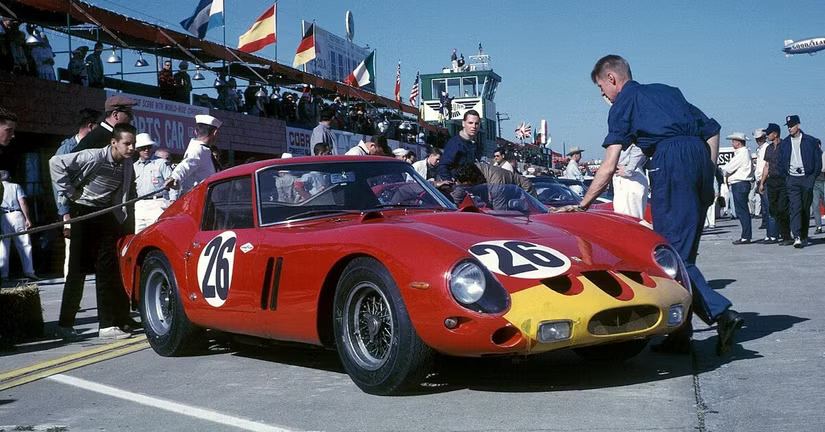
It’s very different to own a 1962 Ferrari 250 GTO (seen above), than a 2008 Bombardier Global Express. One is a collectors item, has an emotional connection to a storied brand, is impossible to find and purchase, and is steadily increasing in value. The other is an airplane. They may be priced roughly the same, but one is a luxury product and the other is not. The price tag does not always indicate whether something is “luxury” or not.the
Long-standing luxury brands like Louis Vuitton, Ferrari, Rolls-Royce or Dior follow some very strict and counter intuitive rules about how they develop and market their products that help maintain the emotional attachment to their brands. Ferrari won’t let you buy their top-of-the-line models before you have bought the cheaper ones, to prove to them that you are worthy of the best. Rolls-Royce hand-builds everything and makes customers wait for their products until they are satisfied.
Business Jets are exclusive for sure, but are they luxury?
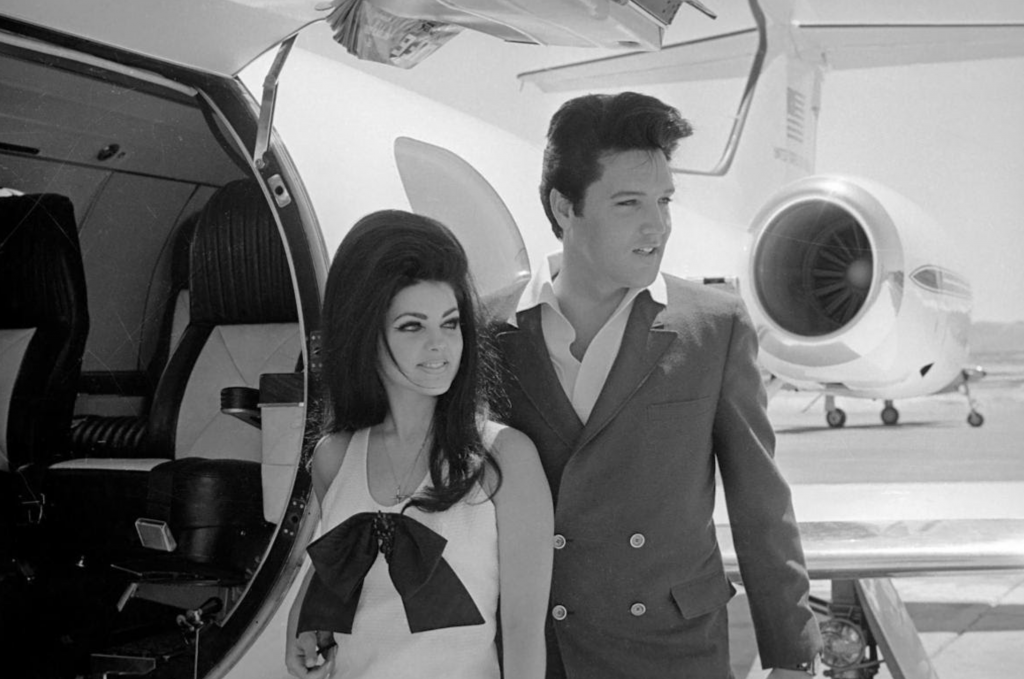
When the first Learjet’s and Gulfstream’s came out they were a revelation. The first purpose-built airplanes for personal travel created an industry that is booming today. In those early days it is safe to say that they were luxury products. They were exclusive and rare, and tied to names and individuals and unique knowledge. They definitely established a sense of privilege that only the very wealthy or famous could attain.
But as the years went on, especially with the growth the last 30 years of new airplanes, infrastructure like FBO’s and airports focusing on private aviation, the business jet more and more is looking like a commodity. Fractional ownership and charter businesses are making business jets more and more accessible to not just the elite but to the moderately wealthy. To be sure, it is not everyone who can afford to fly on one, but it is becoming accessible to many.
Aircraft manufacturers are routinely breaking many of the rules of luxury that make products so iconic and aspirational. And in terms of comfort and service, in many ways super first-class pods exceed the standards in business jet experience.
What is Luxury?
The term luxury has a different meaning to almost everyone, and something that is luxury to me may not be to you. But in order to answer the question of whether modern business jets can be considered luxury, we have to start with some definitions.
Something can be expensive and hard to buy for the average person but still not be a luxury product. In his excellent book on the subject “The Luxury Strategy”, Vincent Bastien (former managing director of Louis Vuitton), describes the key characteristics of luxury products and also how to create a successful luxury business. He describes 6 key traits of any luxury product.
- a very qualitative hedonistic experience or product made to last;
- offered at a price that far exceeds what their mere functional value would command;
- tied to a heritage, unique know-how and culture attached to the brand;
- available in purposefully restricted and controlled distribution;
- offered with personalized accompanying services;
- representing a social marker, making the owner or beneficiary feel special, with a sense of privilege.
Kapferer, Jean-Noël; Bastien, Vincent. The Luxury Strategy: Break the Rules of Marketing to Build Luxury Brands (p. 47). (Function). Kindle Edition.
So we can see that luxury products have a few things that matter: they have to have a brand that started from a cultural story that resonates and is timeless, the product has to matter and be something rare and special, it has to be difficult to acquire and society’s cultural leaders (today’s celebrities) have to declare the brand as luxury.
It’s not enough for a brand to call itself luxury, or hire an ambassador to say it. It’s also not enough to simply make the highest quality product and have it be luxury. Take the example of Lexus, where Toyota created a brand that would relentlessly pursue the best quality in every way for automobiles. And yet no one would call them a luxury product. They lack the origin story and soul needed to connect emotionally to the luxury client. They are not rare, scarce and hard to acquire.
How the modern business jet industry tramples on the rules of luxury
Turning to the business jet world it becomes clearer how they have become more a ‘high-end’ transportation product as opposed to a luxury one. First, they are regularly discounted and negotiated on price. The manufacturers will increase production to meet demand, in order to grow their businesses rather than maintaining a scarcity of the product and increasing the desirability. Prices will also drop in a market downturn, showing customers that the price isn’t an indicator of inherent value but more market-demand pricing, something luxury products never do.
Producers also regularly compare to each other on specs and features rather than standing on their own, resisting comparisons because the brand speaks for itself. If you walk into a Ferrari dealership they will never compare specs with a Lamborghini. It simply doesn’t matter. You buy a Ferrari for the Ferrari experience, not to buy “the best sports car”. It’s an emotional experience not a data-driven one.
Many companies buy business jets, as a tool, and argue that they save the company money overall, because of the time saved of executives in travel, which is a valid argument. This also indicates however that the product isn’t a luxury product. It’s a tool, or a bus, as my friend said before.
There is very little to set brands apart these days as well, since most of them have matched specs, performance and available features very closely. The details matter, but back to the comparisons with first class airline travel, in the details those are often better than wha you see on a typical business jet.
It’s OK that they’re not a luxury product
I love flying on business jets personally. It definitely beats airline travel in many ways. First avoiding the airports is a massive win. Not having to go through the crowds, security checks, delays, and discomfort in and around the terminals makes it worth it by itself. Then also you can fly point-to-point and not worry about connecting flights, delays or lost luggage. Generally speaking the comfort is so much better (except maybe on first-class pods on airlines), business jets fly higher and more smoothly, they’re quieter and have better cabin altitudes.
It can also be incredibly painful if you’re flying with your boss and have to be on your best behaviour. Or if the water system breaks or the internet is down, which happens on those aircraft also. Sleeping can be uncomfortable if you don’t have a dedicated bed in your aircraft or a private zone. But on the whole it’s a much better experience than commercial flying.
And for those reasons, they are great tools for companies to use, great to buy individually if you can afford it and worth the price, in my opinion. But please stop calling them luxury products.

